
$6.95
Add to Cart
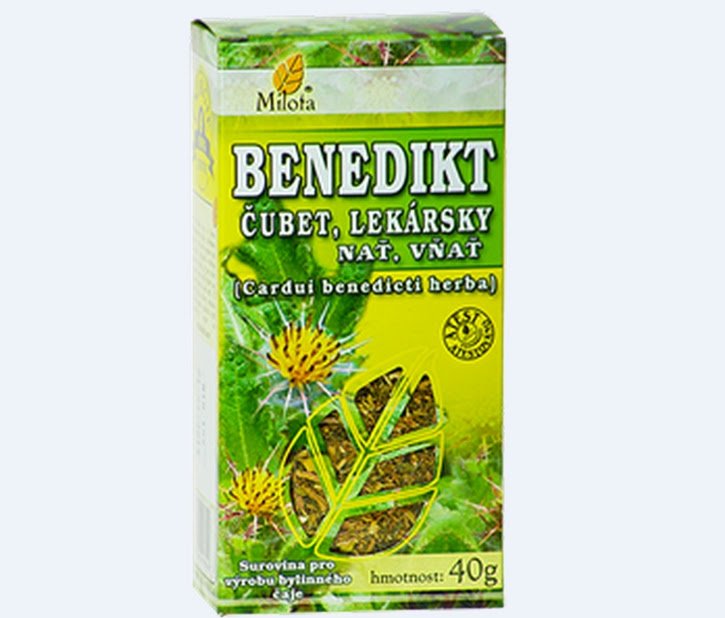
Blessed Thistle Leaf 50 g - Cnicus Benedictus - Organic Loose Herbal Dried Tea
Possible health benefits of basil
The herb is often used in the form of herbal teas as an herbal remedy for loss of appetite, indigestion (which is not related to ulcers), respiratory ailments, intestinal worms, constipation, flatulence, colic, anorexia and ailments associated with poor liver function like headache, fatigue and irritability.
The bitter substance found in blessed thistle is what makes the herb stimulate the appetite and enhance digestion through increased secretion of juices from the salivary glands, stomach, pancreas, gall bladder and bowels.
The astringent (constricting) properties of the plant makes it a good remedy for treating diarrhea. When used to treat diarrhea, it is often combined with other herbs with high tannin content like agrimony (Agrimonia eupatoria), meadowsweet (Filipendula ulmaria) and tormentil (Potentilla erecta).
Blessed thistle has antibiotic properties due to the substance cnicin, the essential oil and the polyacetylene found in the plant.
It may be used to help stimulate the immune system
The herb also has diuretic properties that may prove useful for high fever and feverish conditions.
The herb can act as an expectorant and may be used for respiratory infections such as colds and flu.
It has been used against Staphylococcus aureus and Escherichia coli due to the germicidal properties of the plant. The herb also contains substances that have been reported to prevent HIV.
Blessed thistle has been used traditionally to treat some symptoms of menopause, to relieve painful menstruation, menstrual cramps and menstrual headaches and also for increasing milk production in lactating mothers.
It is thought to increase blood circulation to the brain and is used traditionally to improve memory and concentration and to relieve headaches (especially if related to poor liver function) and depression.
In the past blessed thistle was a popular remedy for arthritis, gout, rheumatism and healing and cleaning wounds.
Additionally, it was used to treat chilblains, a foot condition, and shingles.
The young fresh leaves of blessed thistle may be added to salads, and the young flower heads can be eaten in the same way as artichoke (Cynara scolymus), which is related to the plant.
Infusion: Put 1 g of dry herb into 1 cup of boiling water. Leave to infuse for 5 minutes and stain.
Drink a cup at midday and a cup in the evening after food.
The herb is often used in the form of herbal teas as an herbal remedy for loss of appetite, indigestion (which is not related to ulcers), respiratory ailments, intestinal worms, constipation, flatulence, colic, anorexia and ailments associated with poor liver function like headache, fatigue and irritability.
The bitter substance found in blessed thistle is what makes the herb stimulate the appetite and enhance digestion through increased secretion of juices from the salivary glands, stomach, pancreas, gall bladder and bowels.
The astringent (constricting) properties of the plant makes it a good remedy for treating diarrhea. When used to treat diarrhea, it is often combined with other herbs with high tannin content like agrimony (Agrimonia eupatoria), meadowsweet (Filipendula ulmaria) and tormentil (Potentilla erecta).
Blessed thistle has antibiotic properties due to the substance cnicin, the essential oil and the polyacetylene found in the plant.
It may be used to help stimulate the immune system
The herb also has diuretic properties that may prove useful for high fever and feverish conditions.
The herb can act as an expectorant and may be used for respiratory infections such as colds and flu.
It has been used against Staphylococcus aureus and Escherichia coli due to the germicidal properties of the plant. The herb also contains substances that have been reported to prevent HIV.
Blessed thistle has been used traditionally to treat some symptoms of menopause, to relieve painful menstruation, menstrual cramps and menstrual headaches and also for increasing milk production in lactating mothers.
It is thought to increase blood circulation to the brain and is used traditionally to improve memory and concentration and to relieve headaches (especially if related to poor liver function) and depression.
In the past blessed thistle was a popular remedy for arthritis, gout, rheumatism and healing and cleaning wounds.
Additionally, it was used to treat chilblains, a foot condition, and shingles.
The young fresh leaves of blessed thistle may be added to salads, and the young flower heads can be eaten in the same way as artichoke (Cynara scolymus), which is related to the plant.
Infusion: Put 1 g of dry herb into 1 cup of boiling water. Leave to infuse for 5 minutes and stain.
Drink a cup at midday and a cup in the evening after food.


 CZ, Moravskoslezský kraj